Overview:
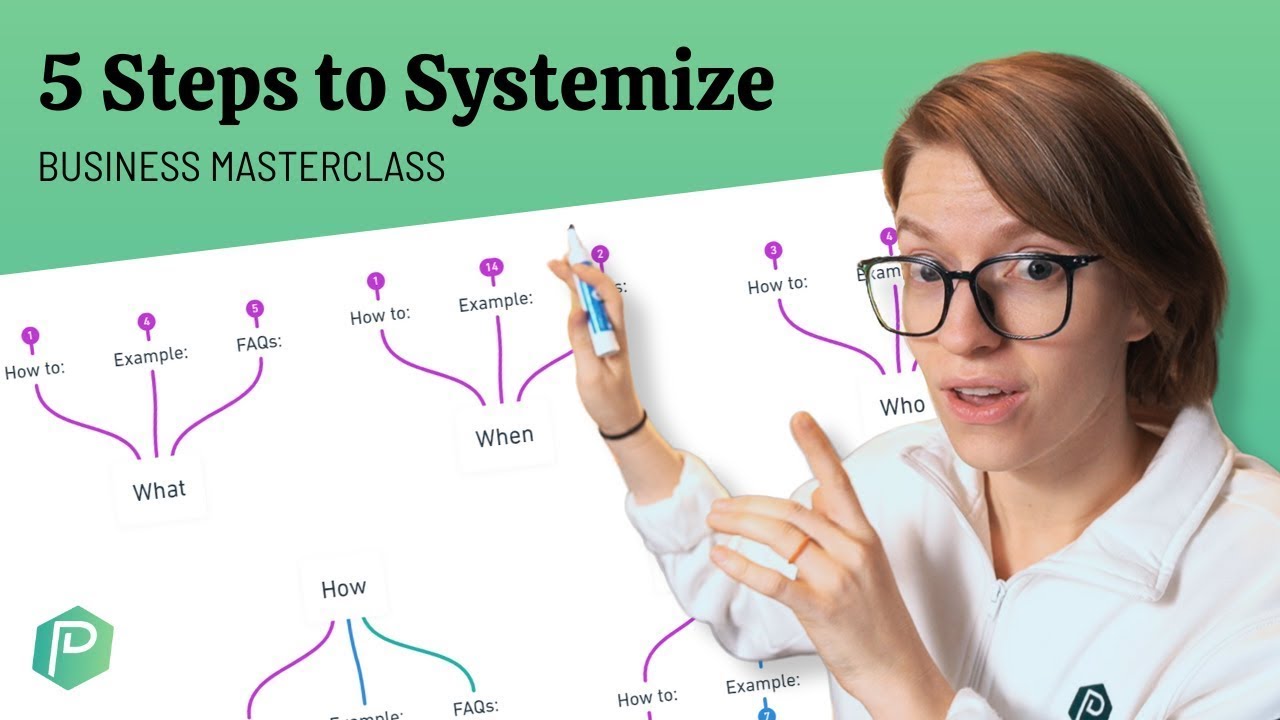
In the comprehensive 36-minute guide titled “Ultimate Guide to Systemize Your Business,” viewers are taken through a detailed process aimed at streamlining operations for startups and small businesses. The video emphasizes the significance of mapping out business activities, establishing policies and procedures, and creating a culture of continuous improvement. By likening systemization to fitness for an organization, it underlines the importance of building a strong foundation, learning from errors, and leveraging internal knowledge. Notably, the guide offers practical steps, from documenting processes to assigning responsibilities, and stresses the need for ongoing optimization to adapt to changing circumstances. Through real-life examples and expert advice, businesses are encouraged to track metrics, errors, and ideas for process improvement, highlighting that “The process of systemizing a business is ongoing and requires continuous improvement.”
Key Insights:
- Building a Foundation for Business Systems The initial phase of systemizing a business is compared to establishing a fitness regime for an organization, setting the tone for a disciplined, structured approach to operations. This chapter delves into the necessity of creating a process documentation guide, incorporating quality assurance standards to ensure smooth operations. The video underscores the importance of laying a solid foundation through detailed documentation of business activities, which serves as a blueprint for systemization.
- The Five Steps of Systemization The guide outlines five critical steps tailored for lean startups and small business owners. These include understanding business activities, documenting processes, defining the frequency of tasks, executing tasks with detailed process mapping, and assigning responsibilities. Each step is meticulously explained, offering viewers a clear roadmap to streamline their operations efficiently.
- Continuous Improvement and Error Tracking Emphasizing the iterative nature of systemization, this chapter focuses on the importance of continuous improvement and the role of error tracking in enhancing processes. With practical advice on tracking ideas, using metrics for performance measurement, and learning from mistakes, businesses are equipped with strategies to refine their operations continually. The segment highlights error tracking as the most effective tool for process improvement, offering insights into how real-life businesses have benefited from this approach.
- Leveraging Internal Knowledge The significance of utilizing internal team knowledge is spotlighted, with a strong recommendation against over-reliance on external consultants. This section advocates for tapping into the collective expertise within the organization to systemize processes more effectively. By engaging team members in the systemization journey, businesses can harness diverse perspectives and insights, enriching the process documentation and improvement efforts.
- Templates and Structured Guidance For businesses seeking structured support in their systemization efforts, this chapter introduces templates and guidance materials available to streamline the process. These resources are designed to help business owners set up foundational processes effectively, offering a step-by-step approach to documentation, task execution, and responsibility assignment.
Keywords:
- Systemization: The process of organizing and documenting business activities, policies, and procedures to streamline operations and improve efficiency.
- Process Documentation Guide: A comprehensive manual that outlines the steps, standards, and procedures for executing business operations.
- Quality Assurance Standards: Benchmarks and practices designed to ensure that products or services meet specific quality criteria and fulfill customer expectations.
- Lean Team Startups: Small, agile startup teams focused on maximizing productivity with minimal overhead.
- Process Mapping: A visual representation of the workflow within an organization, detailing every step involved in executing a task or process.
- Continuous Improvement: An ongoing effort to enhance products, services, or processes by making incremental improvements over time.
- Error Tracking: A method of identifying, documenting, and analyzing errors to prevent recurrence and improve process efficiency.