
Newsletter Subscribe
Enter your email address below and subscribe to our newsletter
Enter your email address below and subscribe to our newsletter
Accelerate Your Insights. Turbocharge Your Knowledge Absorption.
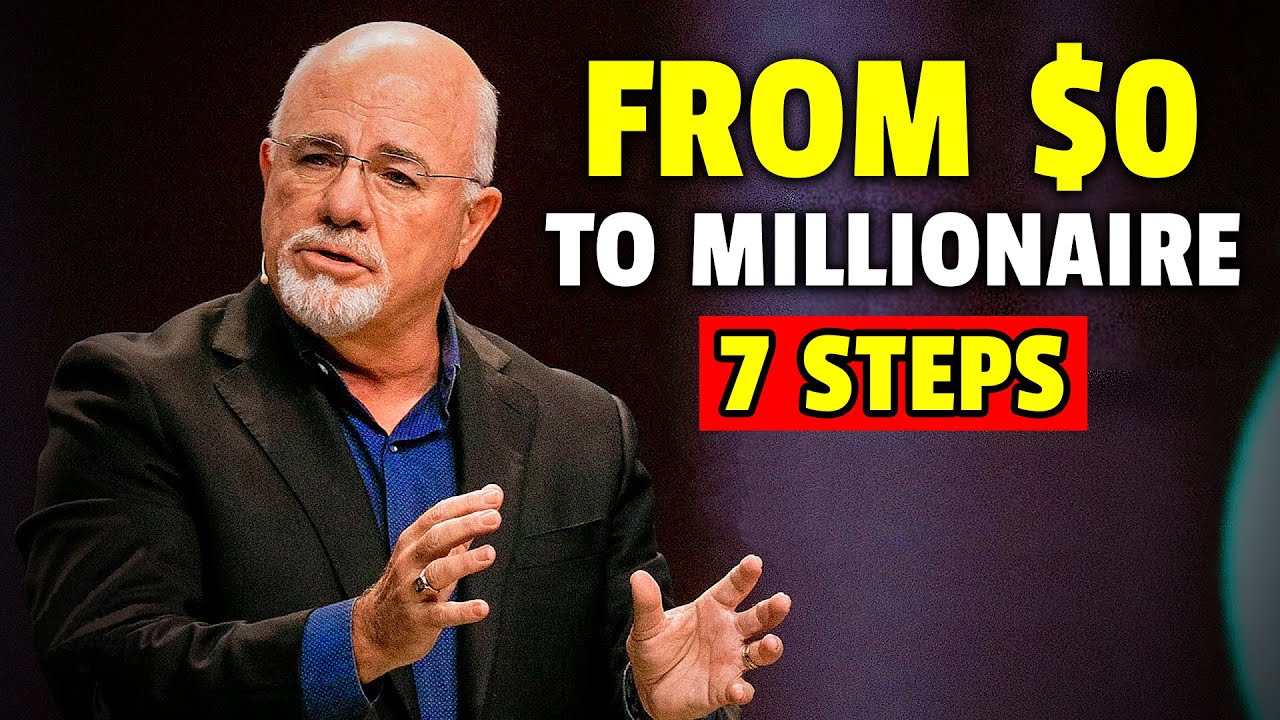
In a compelling delivery, Dave Ramsey’s speech, “Dave Ramsey’s Speech Will Change Your Financial Future (MUST Watch!),” serves as an essential guide for anyone looking to overhaul their financial life. Ramsey introduces his “Baby Steps” strategy as a methodical approach to climbing out of debt and building wealth, emphasizing a blend of financial discipline, behavioral change, and incremental progress. He famously states, “80% of financial success is due to behavior rather than knowledge,” underscoring the importance of actionable steps and mindset shifts over mere financial literacy. This speech not only lays out a roadmap for financial freedom but also intertwines the journey with personal well-being, spiritual growth, and the joy of giving back, making it a holistic guide for transforming one’s financial future.
Financial House Climbing – Baby Steps Strategy: Ramsey’s Baby Steps strategy is a sequential approach to gaining financial stability, starting with saving a $1,000 emergency fund (Step 1) and culminating in wealth-building and philanthropy (Step 7). This method encourages individuals to tackle their financial goals systematically, ensuring a solid foundation is laid before advancing to more ambitious targets. The strategy highlights the importance of patience and persistence, with each step designed to build upon the last for sustained financial health.
Embracing Change and Financial Discipline: Highlighting the critical role of behavior in financial success, Ramsey challenges individuals to embrace change and adopt new, disciplined financial habits. He suggests that the journey to financial freedom requires more than just knowledge—it demands a significant shift in how individuals approach spending, saving, and investing. Ramsey’s emphasis on behavior underscores the notion that financial stability is accessible to anyone willing to adapt and commit to disciplined financial management.
Debt Snowball Method: The debt snowball method is presented as an effective strategy for eliminating debt. By organizing debts from smallest to largest and focusing repayment efforts on the smallest debts first, individuals create momentum and psychological wins that encourage continued debt repayment. This method not only simplifies the debt repayment process but also provides tangible progress markers, making the daunting task of eliminating debt more manageable and motivating.
Building Wealth through Investments: Investing is highlighted as a cornerstone of wealth building, with Ramsey advising individuals to allocate 15% of their income towards retirement savings in vehicles like Roth IRAs and 401(k)s. He emphasizes the power of compounding interest and the importance of long-term, consistent investing as keys to growing wealth. This advice is aimed at guiding individuals towards financial independence and security, demonstrating that wealth accumulation is achievable with disciplined investing.
Importance of Emergency Fund: Ramsey underscores the necessity of an emergency fund as a buffer against life’s unforeseen financial shocks. By setting aside three to six months’ worth of expenses, individuals protect themselves from the need to incur debt during emergencies. This fund acts as a crucial safety net, ensuring financial stability and peace of mind in turbulent times.
Mortgage and Homeownership Strategies: Advocating for responsible homeownership, Ramsey suggests purchasing a home only after achieving debt freedom, securing an emergency fund, and beginning retirement savings. He recommends a 15-year fixed-rate mortgage to expedite home equity growth and minimize interest payments, challenging common beliefs about mortgage tax deductions and leveraging home equity for investment purposes.
Wealth Building and Generosity: In the final Baby Step, Ramsey encourages wealth accumulation not just for personal gain but as a means to give generously. He posits that true financial success includes the ability to impact others positively through charitable giving. This perspective frames wealth as a tool for broader community support and personal fulfillment, tying financial success to generosity and altruism.
Financial Management Philosophy by Dave Ramsey: Ramsey’s philosophy on financial management revolves around the balanced allocation of funds for enjoyment, investment, and giving. This tripartite approach ensures that individuals find satisfaction in their financial journey, fostering a healthy relationship with money that encompasses joy, future security, and generosity.
Personal Well-being: The speech also delves into the importance of holistic self-care, emphasizing the interconnectedness of physical health, emotional support, and intellectual growth in achieving financial and personal success. Ramsey’s holistic approach suggests that financial well-being is intertwined with overall personal health and fulfillment.
Spiritual and Emotional Fulfillment: Finally, Ramsey touches on the role of spiritual growth in enhancing one’s life quality and financial journey. He advocates for integrating spiritual practices to achieve a higher level of satisfaction and success, presenting a comprehensive view of financial freedom that includes personal and spiritual fulfillment.
In sum, Dave Ramsey’s speech provides a multifaceted framework for financial recovery and growth, emphasizing behavior change, disciplined saving and investing, and the importance of giving back. His Baby Steps strategy, coupled with a focus on personal well-being and spiritual growth, offers a comprehensive guide for anyone looking to transform their financial future and, by extension, their life.