Newsletter Subscribe
Enter your email address below and subscribe to our newsletter
Enter your email address below and subscribe to our newsletter
Accelerate Your Insights. Turbocharge Your Knowledge Absorption.
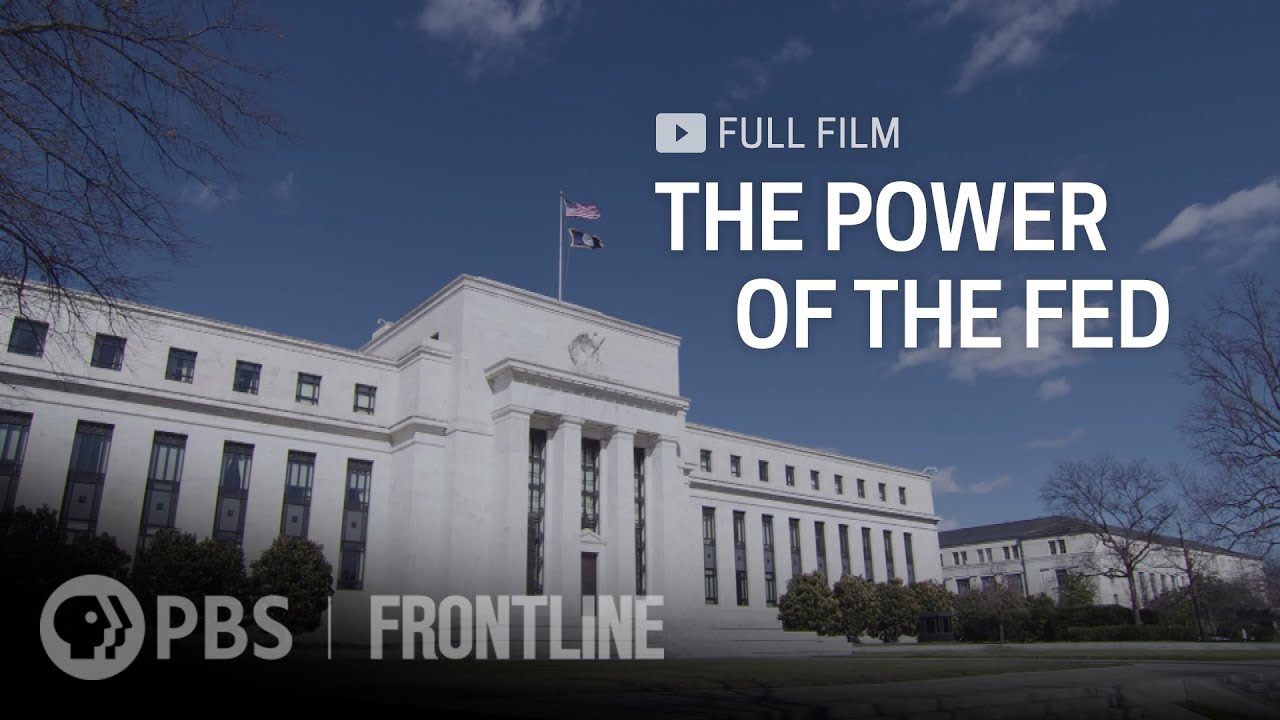
In the gripping FRONTLINE documentary, “The Power of the Fed,” viewers are taken on an exploratory journey into the intricate workings and monumental impact of the Federal Reserve during times of economic turmoil. Through a detailed analysis of the 2008 financial crisis, the subsequent shift towards favoring Wall Street, the role of corporate behavior in financial market dynamics, and the unprecedented challenges posed by the COVID-19 pandemic, the documentary sheds light on the Fed’s decisive actions to stabilize the economy. It critically examines the consequences of these actions, including the rise in wealth inequality, the debate over the real beneficiaries of the Fed’s policies, and the looming threats of asset price inflation and potential financial calamity. This narrative is punctuated by the assertion that “The Fed’s intervention was crucial in preventing a complete collapse of the financial system,” highlighting the central bank’s pivotal role in navigating economic crises.
Impact of the Federal Reserve during Economic Crises The 2008 financial crisis marked a turning point for the Federal Reserve, which employed quantitative easing (QE) as a lifeline to the faltering economy. By creating new money to purchase assets, the Fed aimed to lower long-term interest rates and spur spending. This segment reveals the critical nature of the Fed’s intervention, which prevented financial system collapse but also set the stage for future debates over economic recovery and wealth distribution.
Shift in Economic Focus towards Wall Street Post-QE, an unintended consequence was the ballooning of stock prices and a deepening wealth inequality, spotlighting a growing concern over the Fed’s policies disproportionately favoring the wealthy and financial markets. This chapter delves into the complexities of lower interest rates inviting riskier investments and the contentious debate over the real beneficiaries of the Fed’s actions.
Corporate Behavior and Financial Market Dynamics In an era of easy money, corporations leveraged the Fed’s policies to engage in stock buybacks, inflating stock prices and benefiting shareholders at the expense of productive investments. This chapter critiques the sustainability of growth driven by corporate debt and financial engineering, questioning the long-term impacts on the real economy.
Role of the Federal Reserve in Economic Recovery Amidst criticism and support, the Fed’s role in economic recovery is dissected, examining its efforts to lower unemployment and boost wages. This segment explores the debate on whether the Fed’s policies primarily advantaged Wall Street or genuinely aided Main Street Americans in securing employment and higher incomes.
Shadow Banking System and Financial Stability The documentary highlights the fragility and regulatory oversight lacking in the shadow banking system, underscoring its potential to destabilize the financial system. This chapter raises alarm over the unresolved vulnerabilities within this sector, despite being on the Fed’s radar.
Impact of the COVID-19 Pandemic on the Economy The COVID-19 pandemic brought about unparalleled economic challenges, pushing the Fed to implement aggressive measures to stabilize the market. This segment investigates the Fed’s response, including quantitative easing and interest rate cuts, and contrasts the crisis’s severity with that of 2008, emphasizing the government’s role in averting a deeper financial crisis through stimulus measures.
Criticism of Federal Reserve Actions and Asset Price Inflation Increasing concerns over moral hazard, asset price inflation, and the potential for financial calamity are dissected in light of the Fed’s interventions. This chapter critically examines the implications of the Fed’s policies on market mania, wealth inequality, and the sustainability of inflated asset prices.
Inflation Concerns and Fed’s Monetary Policy Amid rising inflation, this segment explores the delicate balance the Fed must strike in adjusting monetary policy without causing economic dislocation. It reflects on Federal Reserve Chair Jerome Powell’s acknowledgment of the need for policy calibration, spotlighting the ongoing debate over the Fed’s influence on the economy and market conditions.
In summary, “The Power of the Fed” offers a comprehensive look at the Federal Reserve’s pivotal role in steering the U.S. economy through crises, highlighting the complex interplay between monetary policy, financial markets, and societal impacts.