Overview:
Neuromarketing delves into how brands leverage insights from neuroscience to influence consumer behavior. From understanding subconscious decision-making to utilizing subtle cues in marketing, this field aims to tap into our brains to drive purchasing decisions. The transcript explores the power of neuromarketing, debunking myths, and revealing tactics used by companies to sway consumer choices.
Key Insights:
- The Power of Subconscious Decision-making: Companies utilize neuromarketing to uncover what consumers truly desire, often bypassing conscious preferences. The brain’s intricate processes play a significant role in shaping our choices, with studies showing that we are irrational and often unaware of the factors influencing our decisions.
- Influence of Neuromarketing Techniques: Through technologies like fMRI, eye-tracking, and physiological measurements, brands gain insights into consumer responses. For instance, Frito-Lay discovered the appeal of Cheetos’ messiness through brain scans, leading to a successful ad campaign capitalizing on this unique aspect.
- Manipulating Consumer Behavior: Neuromarketers employ various strategies to influence purchasing decisions. These include wearing down consumers to elicit impulsive responses, setting contextual pricing to sway perceptions, and perpetuating a cycle of seeking pleasure to drive continual consumption.
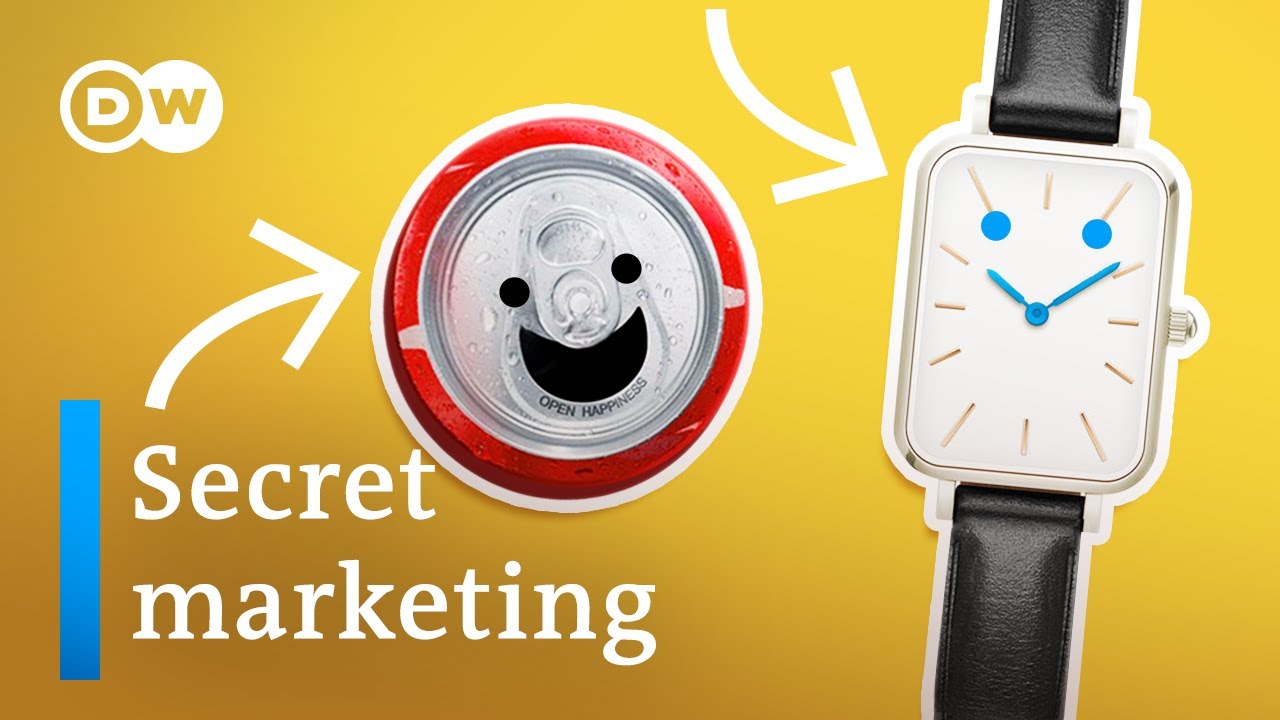
- Subtle Marketing Tactics: Brands incorporate subtle cues, known as primers, to nudge consumer behavior. From hidden images in ads to setting watches at 10:10, these tactics aim to subtly influence perceptions and trigger favorable responses without consumers realizing.
- Consumer Empowerment: Despite the influence of neuromarketing, consumers still possess agency in decision-making. Awareness of these tactics empowers individuals to make more informed choices and resist impulsive buying behavior, ultimately exerting control over their purchasing habits.
Neuromarketing offers a deeper understanding of consumer behavior and the psychological mechanisms driving our choices, shedding light on the intricate ways in which brands seek to shape our preferences and purchasing decisions.