
Newsletter Subscribe
Enter your email address below and subscribe to our newsletter
Enter your email address below and subscribe to our newsletter
Accelerate Your Insights. Turbocharge Your Knowledge Absorption.
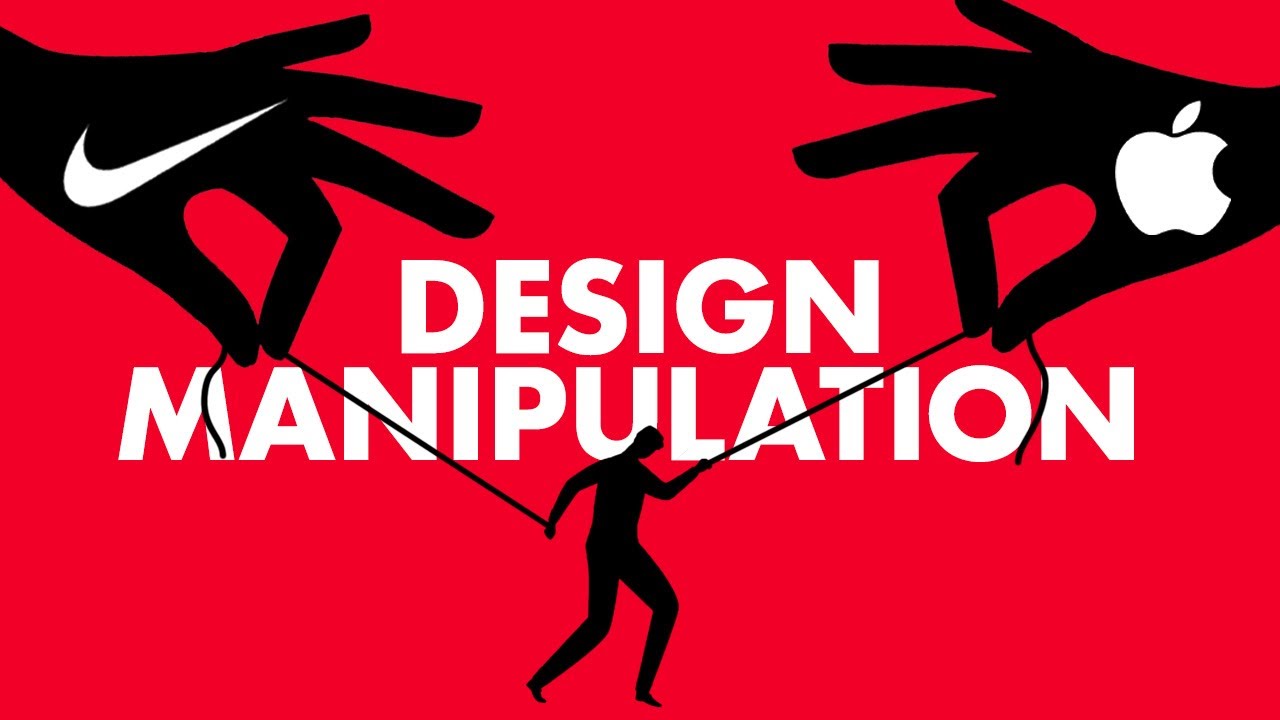
In the intricate dance of consumerism, brands play a masterful tune with design and marketing tactics that subtly influence our decisions, emotions, and loyalties. This YouTube video, “How Brands Use Design & Marketing to Control Your Mind,” delves into the sophisticated strategies companies employ to sway consumer behavior, from leveraging emotional connections and exploiting psychological principles like scarcity and tribalism, to the ethical considerations that arise from such manipulations. Through historical anecdotes, psychological insights, and current market practices, the video paints a comprehensive picture of the power dynamics at play in the marketplace, urging viewers to critically evaluate the branding messages they encounter daily.
Branding Influence on Consumer Behavior: Branding is more than a marketing tool; it’s a psychological lever that companies pull to influence consumer behavior. By creating an emotional narrative around their products, brands can trigger primal instincts and emotional responses that drive decision-making, often bypassing rational considerations. This segment underscores how effective branding can transform mere commodities into symbols of identity and belonging.
Historical Significance of Branding: The concept of branding is not new; it has roots in ancient practices of marking products to signify quality and origin. The video highlights how, historically, branding served as a consumer protection mechanism, a tradition that underscores the inherent promise of quality and accountability that brands communicate even today. The mention of the Soviet Union’s branding practices provides a poignant illustration of branding’s role in product quality and consumer trust.
Information Asymmetry and Branding: Addressing the imbalance of information between sellers and buyers, branding emerges as a bridge of trust and quality assurance. The video elucidates how brands, through their reputation, reduce the effort consumers need to invest in verifying product quality, thereby simplifying decision-making processes. This segment effectively explains the concept of information asymmetry and the role of branding in alleviating it.
Emotional Influence in Branding: Emotions significantly dictate consumer choices, a fact brands capitalize on by establishing emotional connections with their audience. This chapter dives into the strategies brands use to evoke specific feelings, such as happiness, belonging, or even fear (FOMO), to influence consumer behavior. It’s a revealing look at how emotional appeal often trumps rational assessment in the marketplace.
Visual Shorthand in Branding: Design features and packaging are not just aesthetic choices but are imbued with strategic intent, serving as visual shorthand for quality and benefits. The video discusses how visual elements convey product attributes quickly and effectively, albeit sometimes at the cost of consumer trust when misused. This section highlights the fine line between informative and misleading visual branding tactics.
Social Proof and Consumer Behavior: The influence of social proof on consumer behavior is undeniable, with brands leveraging reviews and endorsements to build credibility. However, the video also cautions against the manipulation of social proof, showcasing the need for authenticity in testimonials and endorsements to maintain consumer trust.
Authority and Influence in Branding: Authority figures play a pivotal role in shaping consumer perceptions, with brands often using experts to lend credibility to their products. This segment explores the psychological impact of authority on consumer trust and decision-making, providing insights into the strategies brands use to appear more trustworthy.
Scarcity as a Marketing Tactic: Scarcity creates urgency, a principle that brands exploit to drive demand and desirability for their products. The video delves into the psychological underpinnings of scarcity tactics, illustrating how artificial scarcity and the fear of missing out (FOMO) are manipulated to influence consumer behavior.
Tribalism and Brand Loyalty: Brands that successfully align themselves with specific values or social causes can foster a strong sense of community and loyalty among consumers. This chapter discusses how tribal branding taps into the human desire for belonging, driving engagement and advocacy through shared values and beliefs.
Challenges of Brand Manipulation: The video concludes with a critical reflection on the ethical implications of brand manipulation. It reminds viewers that behind the allure of branding lies a profit-driven motive, urging consumers to remain vigilant against exaggerated claims and to seek authenticity in their interactions with brands.
Through this comprehensive exploration, the video not only unpacks the tactics brands use to influence consumer behavior but also invites viewers to critically engage with the branded messages they encounter, fostering a more informed and discerning consumer base.